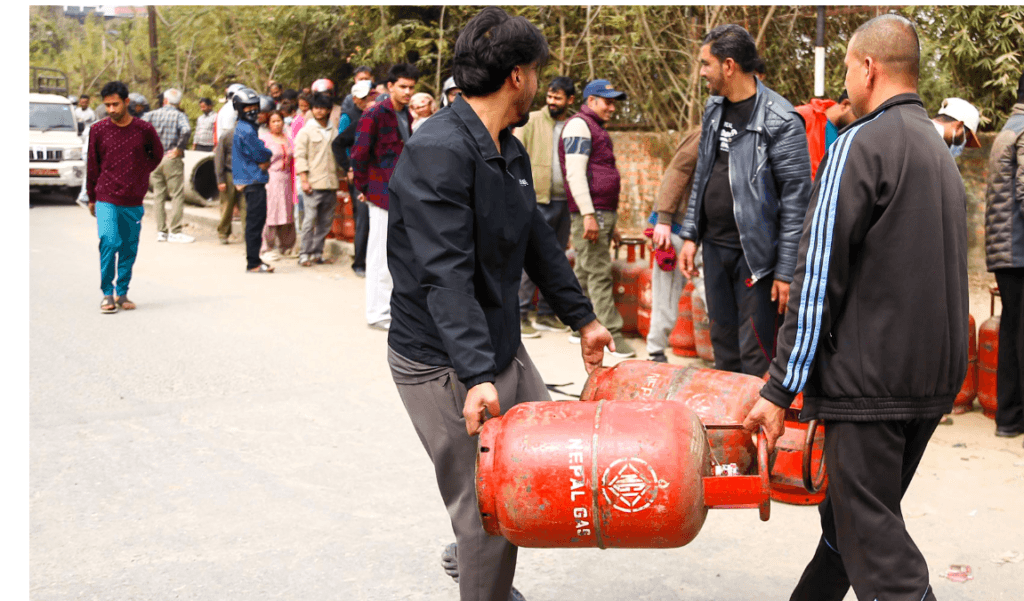
The digital landscape in Nepal has shifted dramatically over the last few years. From a cash-heavy society to one where scanning a QR code is common even at roadside tea stalls, the country is currently in the midst of a massive financial transformation.
Here is an overview of the digital payment ecosystem in Nepal as of early 2026.
The Current Landscape (2025–2026)
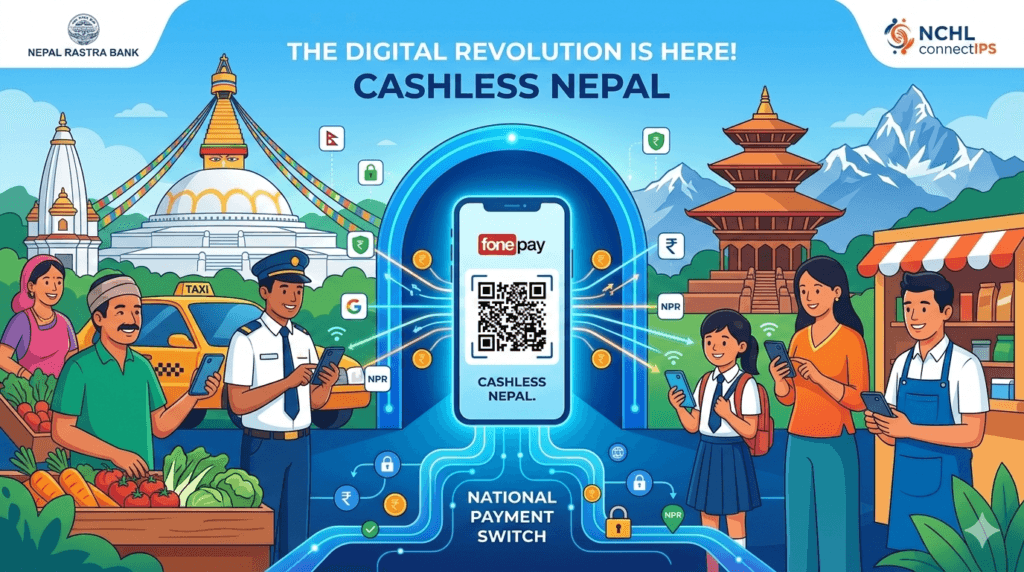
Nepal’s digital payment sector recently hit a massive milestone. In the 2024–25 fiscal year, digital transactions reached a record value of approximately NPR 98.43 trillion. This surge is largely fueled by high smartphone penetration (now over 73%) and significantly lower data costs compared to five years ago.
Key Statistics at a Glance:
- Mobile Banking Users: Over 26 million.
- Digital Wallets: Over 37 million registered accounts.
- QR Transactions: Monthly volumes now exceed 33 million transactions, valued at over NPR 96 billion.
The Power Players: PSOs and PSPs
The ecosystem is divided into Payment System Operators (PSOs), who provide the backend “rails,” and Payment Service Providers (PSPs), who offer the apps we use daily.
The Major Infrastructure (PSOs)
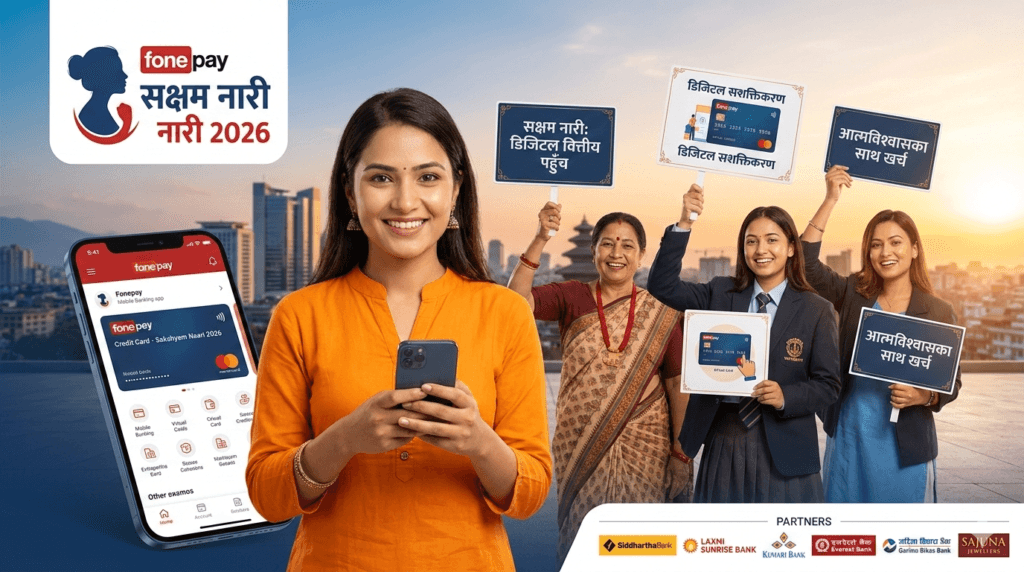
- Fonepay: The dominant network for QR payments, linking almost all banks and wallets.
- Nepal Clearing House (NCHL): Operates connectIPS, which is the backbone for high-value transfers, government revenue payments, and the National Payment Switch.
- SCT (Smart Choice Technologies): A veteran in the card and ATM network space.
The Consumer Apps (PSPs)
- eSewa & Khalti: The “big two” of the wallet world. While eSewa remains the pioneer with the largest agent network, Khalti has gained ground through aggressive merchant integration.
- IME Pay: Leveraging its massive remittance roots to bridge physical cash and digital credit.
- Namaste Pay: A government-backed initiative (Nepal Telecom & RBBL) that allows payments via USSD (offline) for those without smartphones.
The Cross-Border Revolution

One of the most exciting developments in 2026 is the integration between Nepal and India.
- Scan and Pay in India: As of late 2025/early 2026, Nepali travelers can finally use their local apps (like Fonepay) to scan UPI QR codes in India.
- Indian Tourists in Nepal: Similarly, Indian tourists can use PhonePe or Google Pay to pay merchants in Nepal, solving the long-standing “Indian currency ban” (notes above ₹100) issue.
- Future Links: Talks are currently underway to expand similar interoperability with China (Alipay/UnionPay), Singapore, and Thailand.
Challenges and the “Last Mile”
Despite the boom, significant hurdles remain:
- The Digital Divide: Digital adoption is heavily concentrated in urban centers like Kathmandu and Pokhara. Rural areas still lack the stable internet and digital literacy required for a “cashless” life.
- Cybersecurity: With the rise in transactions, phishing scams and digital fraud have become more sophisticated, putting pressure on the Nepal Rastra Bank (NRB) to tighten regulations.
- Taxation & Regulation: A recent 13% VAT on certain digital services and a proposed amendment to the NRB Act (to treat PSPs as full financial institutions) have sparked debates about the cost of going digital.
What’s Next: Digital Banking & AI
The NRB is currently drafting frameworks for Digital-Only Banks—institutions with no physical branches. We are also seeing the integration of AI-enabled security to detect fraudulent transactions in real-time. By 2030, the government aims for a “Digital Nepal,” where even the smallest micro-businesses operate entirely online.
Frequently Asked Questions (FAQ)
Can I use Nepali digital wallets like eSewa or Fonepay in India?

Yes, but with caveats. As of early 2026, interoperability has begun. Following recent high-level talks between Nepal Rastra Bank and the RBI, many Nepali users can now scan UPI QR codes at selected merchants in India. However, you should check if your specific wallet provider has enabled “Cross-Border Payments” in their app settings before you travel.
What are the current transaction limits for digital wallets in Nepal?
Under current NRB regulations, the standard daily limit for digital wallet transactions is NPR 200,000, with a monthly limit of NPR 1,000,000. For higher-value transfers, using connectIPS allows for up to NPR 2,000,000 per day through the web channel.
Is there a tax on digital payments in Nepal?
For consumers, there is no direct “tax” for making a payment. However, the government has implemented a 13% VAT on digital services provided by non-resident entities (like Netflix, Facebook ads, or Google services). Additionally, a 2% Digital Service Tax (DST) applies to large international digital service providers operating in Nepal.
Can I pay for government services (like Passports or Bluebooks) digitally?

Yes. Almost all government revenue collection points, including the Department of Passports and Transport Management Offices (Yatayat), now accept payments via connectIPS, eSewa, and Khalti, significantly reducing the need to stand in long bank lines.